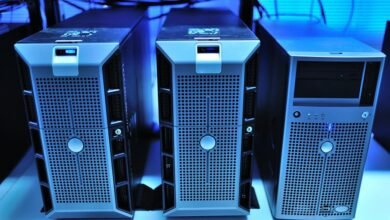

The evolution of advanced tech infrastructure is reshaping urban landscapes and business dynamics. High-speed broadband, cloud computing, and edge computing are at the forefront of this transformation. Organizations are leveraging these technologies to enhance operational efficiency and customer engagement. The implications of this growth extend beyond mere connectivity. Understanding the driving forces and future trends will reveal critical insights into the competitive advantages available in this rapidly advancing environment.
The Rise of Advanced Tech Infrastructure
In recent years, a significant shift has occurred in the development and implementation of advanced tech infrastructure, characterized by the integration of high-speed broadband, cloud computing, and edge computing technologies.
This evolution supports the emergence of smart cities, facilitating efficient urban management and enhanced connectivity.
Consequently, organizations are embracing digital transformation, optimizing operations while providing greater freedom and flexibility for residents and businesses alike.
Key Technologies Driving Infrastructure Growth
As organizations increasingly prioritize technological advancement, several key technologies emerge as pivotal drivers of infrastructure growth.
Notably, the development of smart cities harnesses IoT and data analytics to optimize urban management.
Concurrently, digital transformation enhances operational efficiency, enabling seamless connectivity and innovation.
Together, these technologies facilitate sustainable infrastructure solutions, empowering communities to adapt and thrive in an ever-evolving digital landscape.
Impacts on Business Efficiency and Consumer Experience
While organizations adopt advanced technologies to enhance their infrastructure, the resultant impact on business efficiency and consumer experience becomes increasingly pronounced.
Enhanced operational agility allows businesses to respond swiftly to market changes, optimizing processes and resource allocation.
In parallel, improvements in technology facilitate personalized interactions, thereby elevating customer satisfaction.
Ultimately, these advancements streamline operations while fostering deeper consumer engagement in a competitive landscape.
Future Trends Shaping Advanced Tech Infrastructure
Emerging trends in advanced tech infrastructure are poised to redefine the operational landscape for businesses across various sectors.
The increasing adoption of cloud computing enables scalable resources, while edge computing enhances data processing speed and reduces latency.
Together, these technologies facilitate real-time analytics and decision-making, empowering organizations to innovate and adapt swiftly, ultimately fostering a more agile and efficient operational environment.
Conclusion
In summary, the proliferation of advanced tech infrastructure is redefining urban landscapes and business paradigms. For instance, the implementation of smart traffic management systems in cities like Barcelona illustrates how integrated technologies can optimize resource allocation, reduce congestion, and enhance the overall commuter experience. As organizations continue to embrace these innovations, they not only drive operational efficiencies but also cultivate a culture of responsiveness and adaptability, positioning themselves favorably in an increasingly competitive marketplace.